
For most of us they are literally throwaway items. Pop the ring pull. Have a drink. Put them in the recycling.However, the global beverage can market is a vast industry producing, by various estimates, anywhere from 200 billion to 370 billion drinks cans each year; an estimated nine billion of them in the UK.
In the industry parlance a beverage ‘can’ is what most of us would know as the bottom and sides of the cylinder, while an ‘end’ is the top with the ring pull. These are made separately and then put together after the can has been filled.
Although we consumers may pay little attention to it, factors such as the shape, weight and composition of the cans are being tweaked all the time, necessitating development of the machinery and engineering behind the process.
This is where OEE Container Technology, on the Rosehill Industrial Estate, in Carlisle, comes into its own.
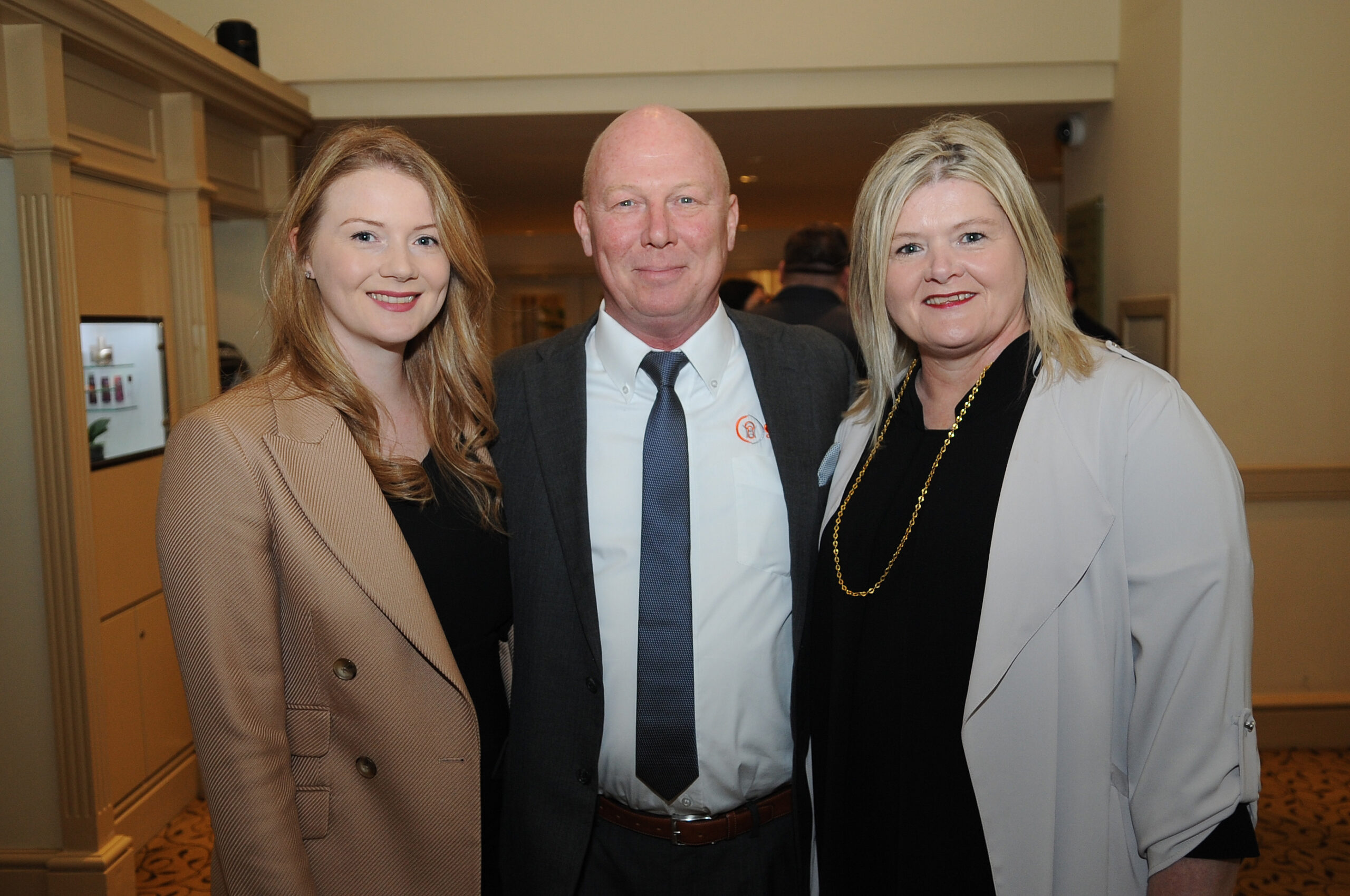
Founded by husband and wife managing directors Sue and Bruce Jones, OEE has seen demand for its expertise soar over the last four years.
Bruce started his career in 1994 working for what was then Carnauld Metal Box, in Carlisle, and then went to Saudi Arabia in 1997 to work for an ‘ends’ plant.
His career saw him take on roles in Ireland and Dubai, but by 2018 he and Sue decided they wanted to come home to Cumbria.
They formed OEE Container Technology as a company which could supply engineering and technical expertise to the canning trade, picking up Bruce’s former Dubai employer as one of its first customers and installing a new £40m canning line at one of its factories.
“It gave us a lot of contacts across the industry and gave us the opportunity to show off our worth in the early days,” says Bruce.
It now provides its services across the world, helping can makers – mainly in the beverage industry – work more efficiently and install and maintain equipment through activities such as project management, process improvement or training and development.
“We could be dealing with engineering changes our customers would like to put into place,” says Bruce.
“We’re assisting manufacturers to make a lower cost product or remove materials from the product. For example, to give them a better carbon footprint.
“Through Covid there’s been a huge boom in the packaging industry and our market has grown dramatically. Through early 2021 and into 2022 we’ve probably grown fourfold.”
The boom for the canning industry during the pandemic was driven by a huge increase in people staying at home and drinking a can of beer or pop in front of the telly rather than at the pub.
“With the cost of living crisis now, more and more people are staying home and not going to the pub because things are too expensive,” says Sue.
“It’s just gone up and up and up because people are wanting to buy more cans.”
Save a couple of months in 2020, the company kept going throughout the pandemic as an essential industry, operating within the restrictions of the various nations it serves.
“Equally, we were small enough to be able to adapt and be flexible,” says Bruce.
“We worked very closely with the Department for International Trade to find mechanisms that allowed travel for our engineers to sites. It’s very difficult to engineer a machine via Teams.”
OEE now has 12 employees working for customers in the UK and 35 employees overseas.
It has been involved in £100m of projects over the last two years, in locations including the United States, the Middle East and Asia.
“We’ve built some very strong relationships with international manufacturers and international machine companies in particular,” says Bruce.
“They are installing and selling their product into plants but like everybody else they’re struggling to find skills. One of our major aims is to fill that skill gap.”
The company employs a large proportion of more experienced workers who have been in the industry a long time but is also in the process of taking on younger staff and training them up.
“They will spend 12 months or two years shadowing some of the older guys to take in their skills,” says Bruce.
“We, as a third party, take on a lot of the engineering responsibility. The companies themselves don’t have to carry the overheads and it also gives us the opportunity to be very flexible, to move from company to company and deliver efficient services in a cost effective manner. So it’s good business for them.”
Business continues to look healthy for OEE into the future as well.
It is working on new design and development projects. For example, working with a UK engineering firm to manufacture a specific piece of equipment to transport large dies – which are used for shaping metal – around canning factories.
Bruce and Sue’s daughter Lauren – who works in the business as its marketing and operations manager – has been leading a project to establish its first overseas office in Ras Al-Khaimah, one of the seven emirates which make up the UAE.
The new office will be led by Lauren and, among other things, will help service a £15m project OEE is undertaking with a can maker in the Middle East.
“We’ve got a nice, solid, ongoing base of work with long-term relationships with a number of major can makers,” says Bruce.
“We’re continuing to take care of a lot of the project work, the improvements and developments of their plants and that will continue to go. We’re starting to move a little more now into spare parts and supply of parts and equipment to a number of can makers and factories around the world.”
Read the full article here.